Lesson 3:-
While most players who complain of muscle cramps and muscle pain have a benign cause, these symptoms can be related to more significant medical conditions. These might include metabolic diseases or autoimmune conditions or be related to neurological conditions.
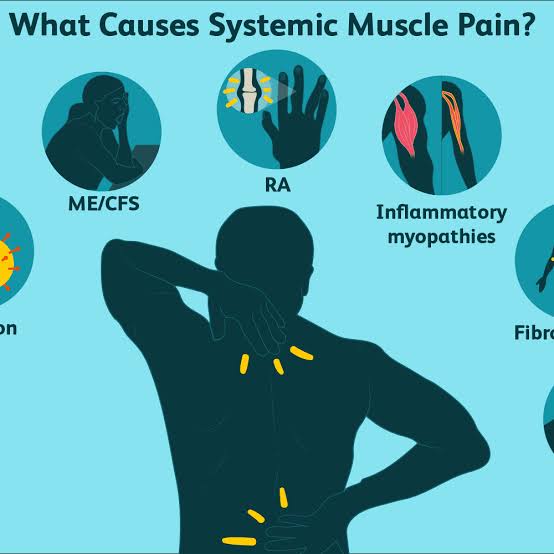
It is important to have an approach to assessing players who present with recurrent, or more significant, muscle pain. The following steps might help with this process.
History: It is important to make an assessment of the location of pain and any precipitating factors. It is also important to quantify the player’s overall loading (i.e. whether there have been any changes). Asking about any associated symptoms including weakness and myoglobinuria (coke-coloured urine) is important. When the pain occurs is also an important factor. Pain that occurs shortly after starting training may indicate McCardle disease, while pain that develops after about 30 minutes of training is more suggestive of carnatine palmitoyltransferase deficiency. Whether the symptoms also occur at rest is an important factor.

Enquiring about the player’s past medical history, family history and medication use is also important.
Examination: An examination of the neurological and musculoskeletal systems is needed. Palpate for tenderness and assess muscle strength. Proximal muscle weakness often reflects a metabolic myopathy.
Investigations: Baseline investigations should include the following laboratory tests:
- FBC
- Electrolytes
- CK
- TSH
- ESR/CRP
- Fasting glucose
In some situations, imaging studies can be helpful. Myositis can be demonstrated well on MRI. Neuropathic causes can also often be identified on MRI.
Treatment: In most cases, players with more significant muscle pain, or with more refractory symptoms, should be referred for further assessment. Referral to a neurologist is generally the best next step. This is particularly important when there is abnormal neurology or elevated CK at rest. Further evaluation may include EMG studies, a forearm ischaemic test or high-tech imaging.
Metabolic disease
Two of the more common metabolic causes of muscle pain are McArdle disease and carnatine palmitoyltransferase deficiency (CPT deficiency). These can be distinguished based on their history, examination and investigation findings. Review the following table to learn more about the presentation of these conditions.
Thank you for reading, keep supporting given below link.

 Jatin Tyagi